Looking Back at Memories with People Living with Dementia
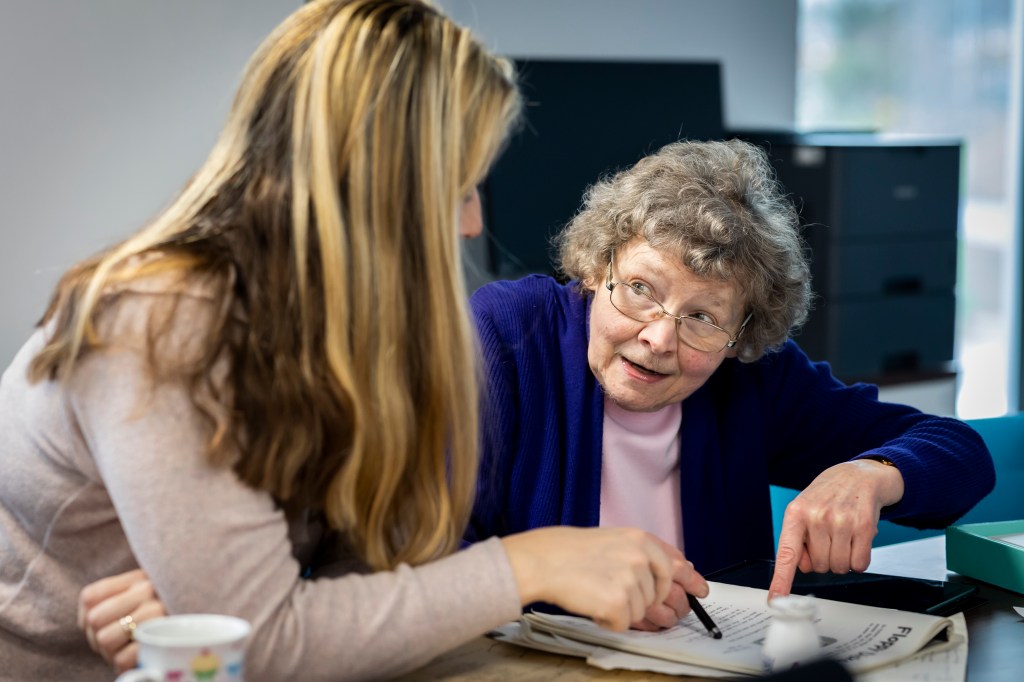
Reflecting on past memories with individuals who have dementia is a valuable way to connect with them and cherish the moments we have shared together.
Nostalgia is the feeling of longing or affection towards the past. It usually arises when we recall special events or moments in our lives that hold significance, such as anniversaries, graduations, or holidays. Though nostalgia brings a sense of contentment, comfort, and joy, it is also accompanied by a subtle sadness or yearning as we cannot go back to those cherished times. Despite being a bittersweet emotion, the positive aspects of nostalgia tend to outweigh the negative ones.
Nostalgia is a widespread emotion that people of all ages and cultures experience. It is both a personal and social experience, often shared with close family, friends, or romantic partners. Nostalgic memories typically involve feelings of self-esteem, a sense of connection between one’s past and present selves, optimism, and meaningful relationships with others. They also often relate to larger existential questions about the purpose and meaning of life.
Dementia is a brain condition that affects memory, language, understanding, and decision-making. It’s caused by diseases like Alzheimer’s or vascular dementia. People gradually lose the ability to remember recent and old memories, making it hard to remember important things about themselves. However, people with dementia still enjoy thinking about their personal memories. This helps them feel connected to their past and sense of self. Even with dementia, people can still experience nostalgia and its important elements.
We studied the memories of people with dementia to see if nostalgic stories made them feel good. We compared nostalgic stories to others that weren’t nostalgic and looked at the emotions they caused. We also examined specific details in the stories like events, places, people, and feelings. We found that nostalgic memories were longer and more emotional than other memories. Nostalgic memories focused on important events and emphasized self-esteem, the meaning of life, and connections with family and friends. Nostalgic narratives created more positive feelings than other narratives, but did not create more negative feelings. The study showed that nostalgia increased overall positive feelings.
We showed that people with dementia have different memories when they feel nostalgic. Nostalgic memories are more about themselves, social connections, and meaningful experiences. This is similar to what happens with healthy adults. For people with dementia, social connections are important because they know the disease will worsen. Nostalgia can also help them find meaning in life.
It is crucial to consider the content and form of nostalgic memories in therapies for dementia. Understanding the unique properties of nostalgic memories could help improve the lives of those with dementia and their loved ones.
Benefits for people living with dementia
Nostalgia, or longing for the past, can be important for people. Even with memory problems, nostalgic memories can bring comfort, happiness, and a sense of who they are. People with memory problems should remember and talk about their nostalgic memories. It can help them feel good about themselves, stay connected to others, and feel like they have a purpose. By thinking about their happy nostalgic memories, people with memory problems can feel better, remember who they are, and be happy in the present.
Benefits for family and friends
Remembering past memories can help family and friends provide better care and support. By using nostalgia, family and friends can improve emotional well-being, validate identity, encourage social connections, have meaningful interactions, create a supportive environment, and improve the quality of life for those with dementia. Nostalgia is important in preserving happiness, contentment, and a sense of self for those they love.
Benefits for care staff
Individuals with dementia can benefit greatly from nostalgia being incorporated into their care. By utilizing nostalgia, healthcare professionals can provide comfort, boost self-esteem, promote a sense of identity, encourage social connections, explore purpose and meaning, and improve overall well-being. By acknowledging the strength of nostalgic memories and integrating them into therapies and interactions, caregivers can create a more supportive and fulfilling environment for their patients.
Source
Ismail S, Dodd E, Christopher G, Wildschut T, Sedikides C, Cheston R. The Content of Nostalgic Memories Among People Living with Dementia. The International Journal of Aging and Human Development. 2022;94(4):436-458. doi:10.1177/00914150211024185
 Dr Gary Christopher
Leave a comment